

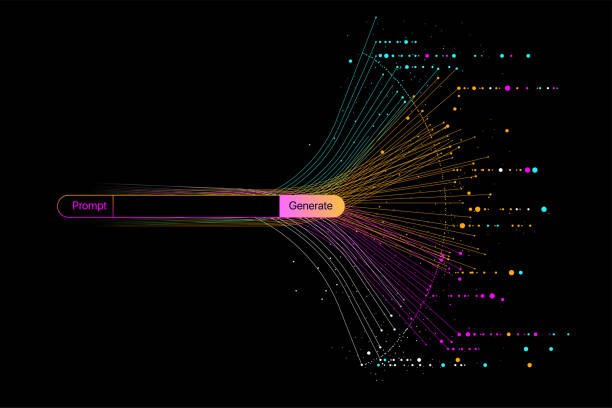
The advent of AI-driven text generation has ushered in a new era for writers and the literary world. As artificial intelligence continues to evolve, its capabilities in generating coherent and contextually relevant text have become increasingly sophisticated. This technological advancement is reshaping how authors approach their craft, offering both challenges and opportunities.
AI-powered writing tools are designed to assist authors by providing suggestions, enhancing creativity, and even drafting entire sections of text. These systems leverage vast datasets to understand language patterns, style nuances, and contextual relevance. For many writers, this means access to an unprecedented level of support that can help overcome writer’s block or inspire new ideas. With AI assistance, authors can experiment with different styles or genres without the fear of starting from scratch.
Moreover, Text generation AI offers significant time-saving benefits. Authors can delegate repetitive tasks such as editing or proofreading to these intelligent systems, allowing them more freedom to focus on creative aspects. The ability of AI to quickly generate content also enables writers to meet tight deadlines without compromising quality.
However, the rise of AI-generated texts poses certain challenges for traditional authorship. One primary concern is the potential dilution of originality and authenticity in literature. As machines take on more significant roles in content creation, distinguishing between human-written and machine-generated work becomes increasingly difficult. This blurring line raises questions about intellectual property rights and the definition of creativity itself.
Furthermore, there is apprehension regarding job security within the writing profession. While some view AI as a tool that complements human effort rather than replacing it entirely, others fear it might lead to reduced demand for human writers in specific sectors like journalism or content marketing where speed often trumps artistic flair.
Despite these concerns, many experts believe that collaboration between humans and machines will ultimately enhance literary production rather than diminish it. By embracing technology as a partner rather than viewing it solely as competition or threat—authors stand poised at an exciting intersection where tradition meets innovation head-on.
In addition to individual impacts on authors themselves—AI-driven text generation holds broader implications for society’s consumption habits around written material too; democratizing access through personalized storytelling experiences tailored specifically towards reader preferences based upon data insights gleaned from algorithms processing user behavior trends online today!
Ultimately though while navigating this brave new world may seem daunting initially—it presents boundless possibilities ripe exploration furthering understanding what truly makes us uniquely human amidst rapidly changing digital landscape surrounding us all daily lives alike now more interconnected ever before thanks advances science technology driving progress forward exponentially fast pace never seen prior history humankind!