

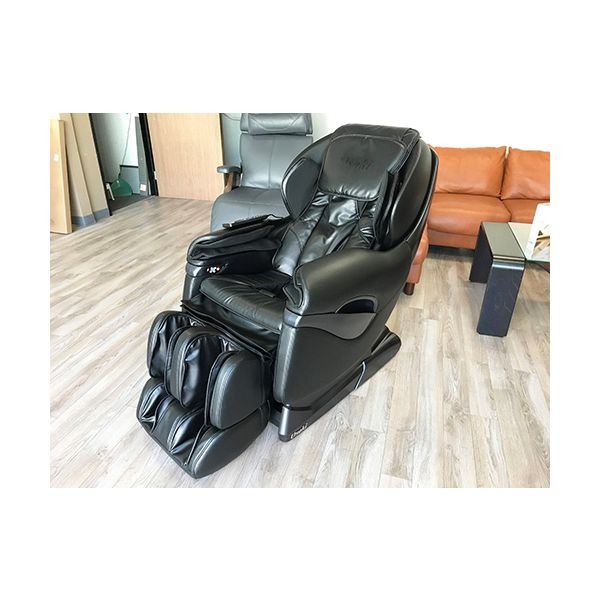
In today’s fast-paced work environment, many individuals spend prolonged hours seated at desks, often in front of computers. This sedentary lifestyle can lead to a variety of musculoskeletal issues, with shoulder tension being one of the most common complaints. Shoulder tension is frequently caused by poor posture, repetitive movements, and stress accumulated throughout the workday. As a result, many people seek effective ways to alleviate this discomfort without relying solely on medication or frequent visits to therapists. One increasingly popular solution is the use of massage chairs designed specifically to target areas like the shoulders.
Massage chairs have evolved significantly over recent years and now incorporate advanced technology aimed at mimicking professional massage techniques. These chairs offer various features such as kneading rollers, vibration modes, heat therapy, and adjustable intensity levels that focus on different muscle groups including those around the neck and shoulders. By applying consistent pressure and movement to these muscles, massage chairs help improve blood circulation which can reduce muscle stiffness and promote relaxation.
When it comes to shoulder tension from office work, using a massage chair reviews regularly may provide several benefits. Firstly, it helps break down knots or trigger points that develop due to prolonged static positions or repetitive strain. The mechanical action encourages muscles to release built-up lactic acid and other metabolic wastes that contribute to soreness and tightness. Secondly, heat functions integrated into many massage chairs enhance muscle elasticity by increasing local temperature; this makes tissues more pliable and less prone to injury.
Moreover, beyond physical relief, massage chairs contribute positively toward mental well-being by reducing stress levels-a significant factor in muscular tension development. The calming effect induced by rhythmic massages can lower cortisol production (the body’s primary stress hormone), which indirectly helps decrease muscle tightness caused by emotional strain during demanding office tasks.
However, while massage chairs offer convenience and immediate comfort at home or in an office setting, they should not be considered a complete substitute for other preventive measures like ergonomic adjustments or regular physical activity. Proper desk setup including chair height adjustment and monitor positioning plays a crucial role in minimizing shoulder strain initially.
In conclusion, massage chairs can indeed help alleviate shoulder tension resulting from office work through targeted muscle relaxation techniques combined with heat therapy benefits. They serve as an effective complementary approach for managing discomfort associated with long hours spent seated at desks but should ideally be used alongside good posture practices and periodic exercise routines for optimal results. Regular use may not only ease existing pain but also prevent future occurrences of shoulder stiffness linked with modern workplace habits.